
Garden maintenance service, planned around your space

From weekly lawn care to seasonal clean-ups, our garden maintenance service covers the regular jobs that keep outdoor spaces healthy, tidy and enjoyable throughout the year.

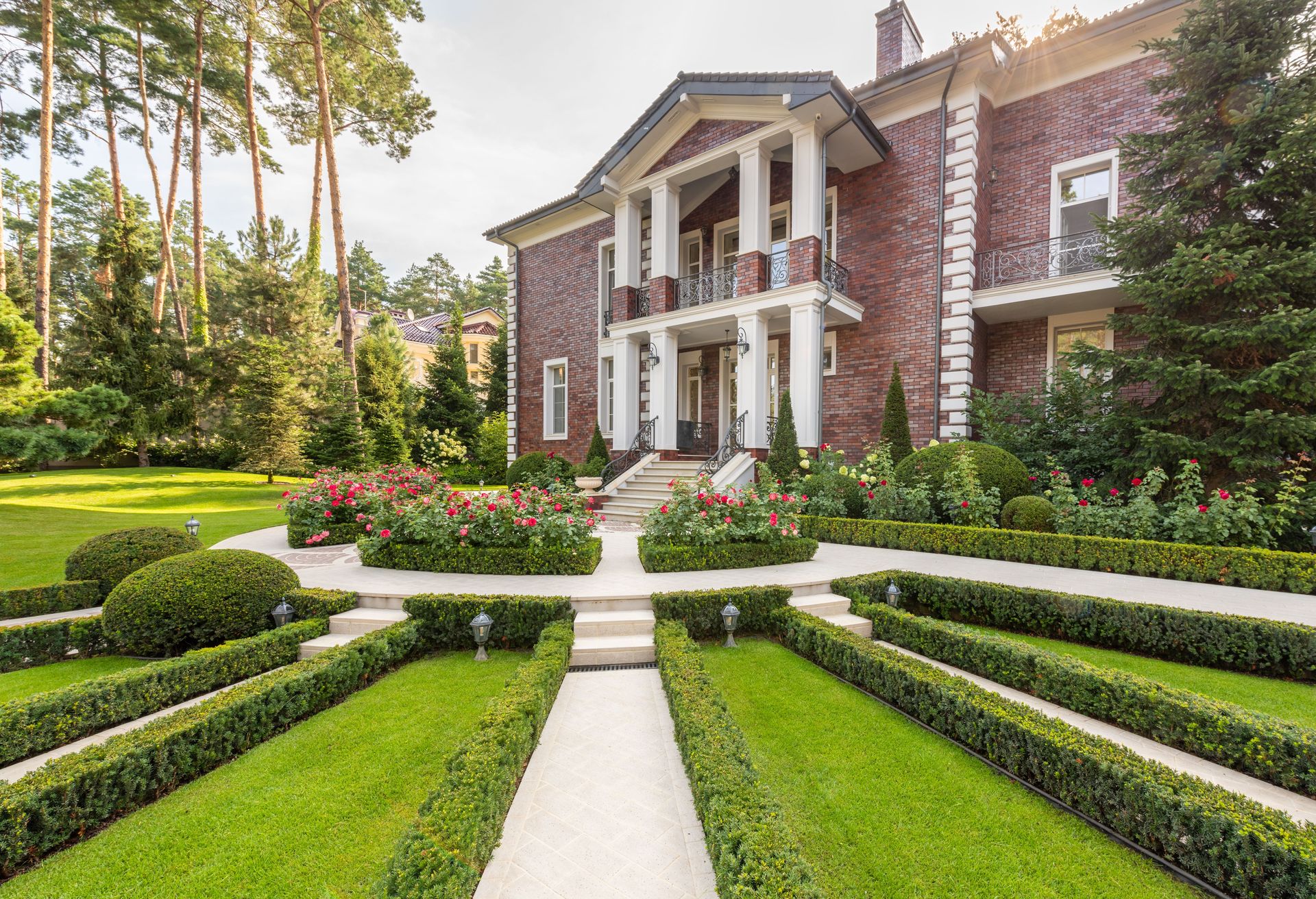
Well-kept formal garden with clipped hedges, lawn panels and rose beds in front of a brick house
Service categories

Six areas of garden care

Choose one area or combine several into a regular plan. Jump to any category below for details on what it can include.

Groundskeeper strimming a lawn beside rows of low clipped hedges in a park
Category 01

Lawn care, mowing & edging

A well-kept lawn sets the tone for the whole garden. Regular mowing at a suitable height helps grass stay dense and even, while sharp edges make beds and paths look deliberate.

Strimming reaches the places a mower cannot — around trees, fence lines, steps and garden features — so the finish is consistent across the whole space.

What this can include

  • Mowing at a height suited to the season
  • Edging along beds and paths
  • Strimming around obstacles
  • Clearing clippings from hard surfaces
  • Leaf removal from lawn areas
  • Notes on bare or worn patches

Good to know: Mowing frequency usually rises in the main growing months and drops back when growth slows. We can agree a pattern that suits your lawn.
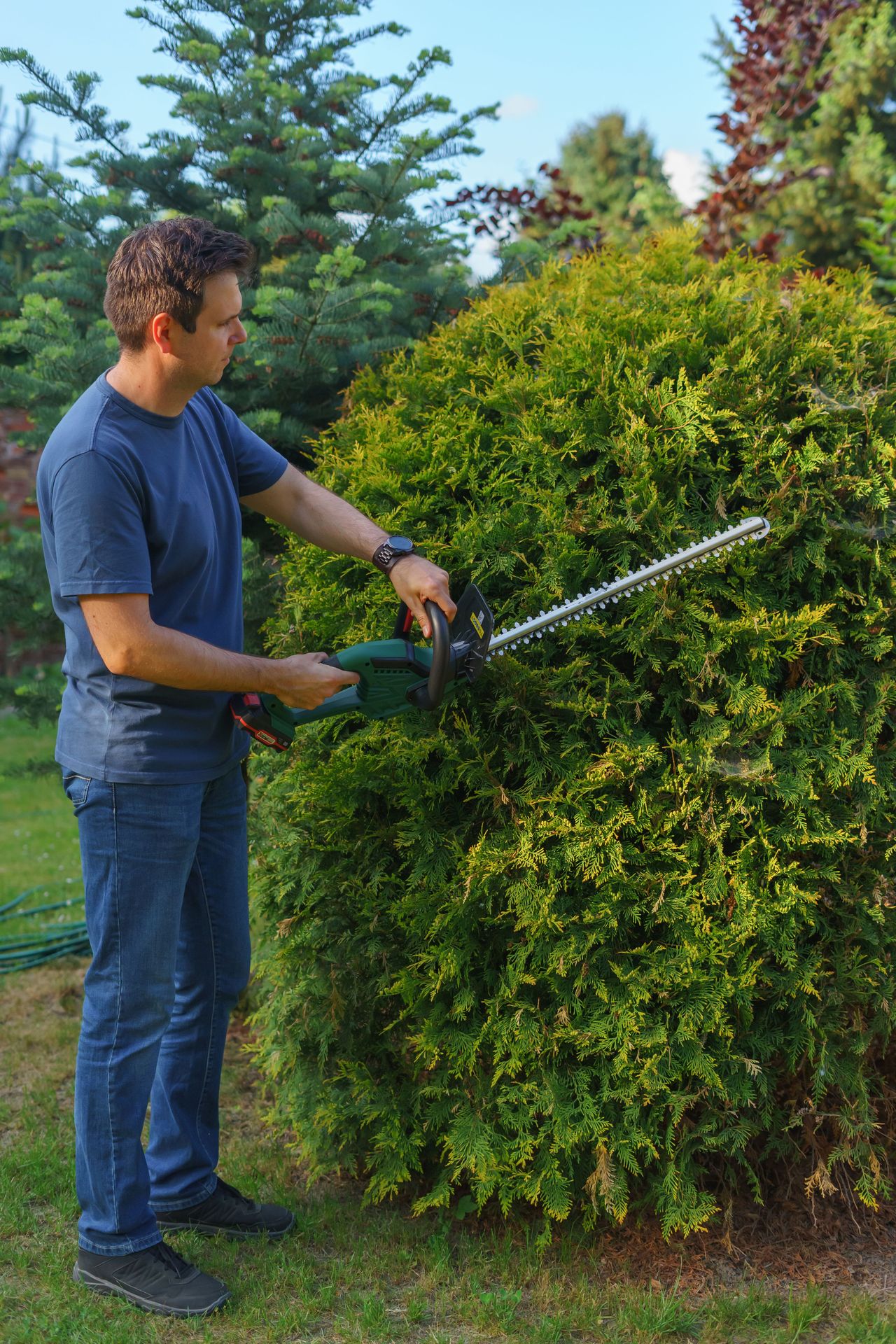
Gardener using a cordless hedge trimmer on a large golden conifer shrub
Category 02

Hedge trimming & shrub shaping

Hedges and shrubs look best when they are trimmed little and often. Regular shaping keeps faces flat, tops level and growth dense from top to bottom.

We use hand shears for detailed work on low and formal hedges, and powered trimmers for larger or taller runs, choosing the tool that suits the plant.

What this can include

  • Formal hedge trimming
  • Rounded and topiary shapes
  • Informal shrub tidying
  • Cutting back from paths and windows
  • Clearing trimmings from beds
  • Advice on timing for your hedge type

Good to know: Before trimming, hedges are checked for active bird nests. If nesting is found, work on that section is paused and rescheduled.

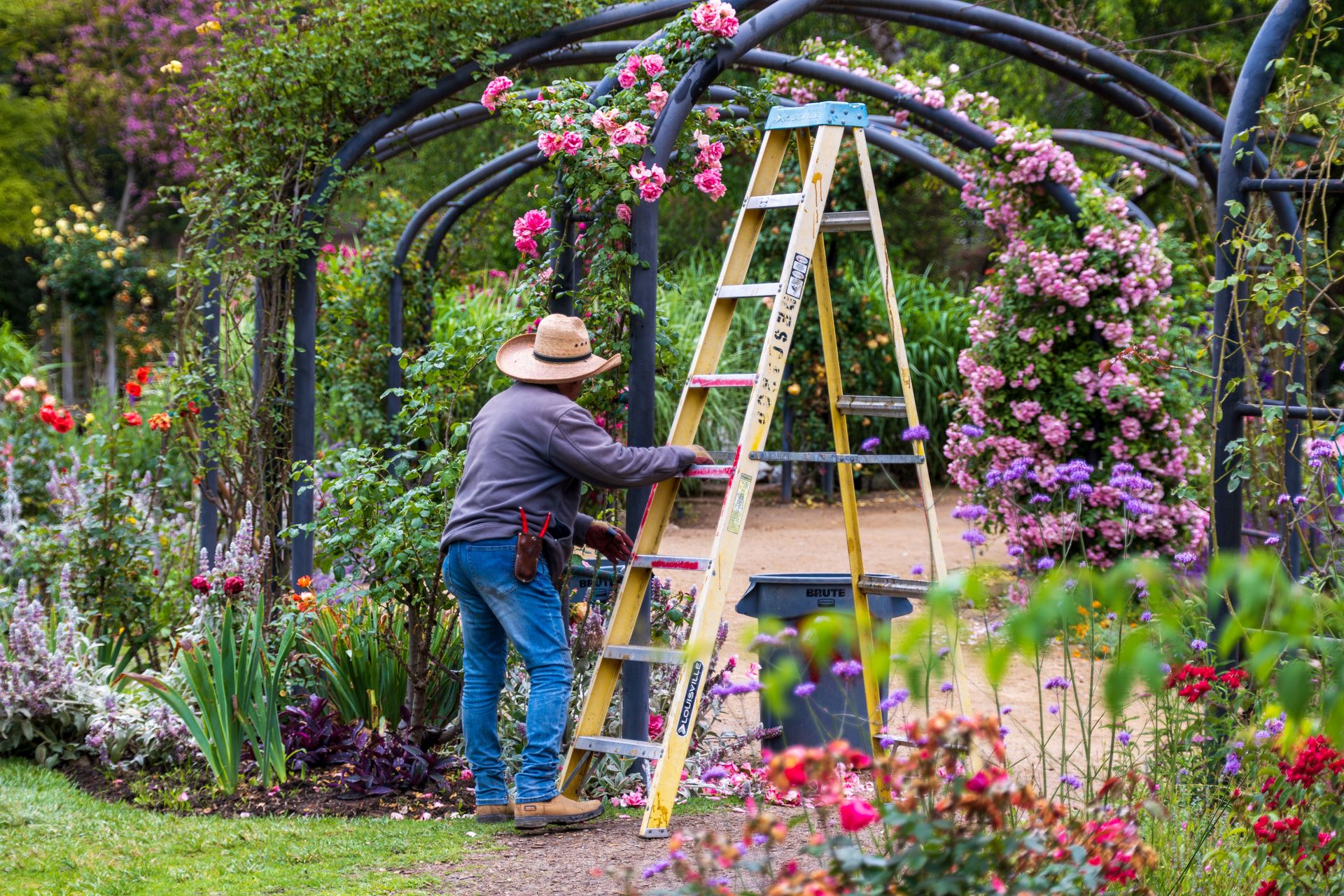
Gardener in a straw hat beside a yellow stepladder under arches of pink climbing roses
Category 03

Pruning, roses & climbing plants

Good pruning is about knowing what to cut and when. Roses, climbers and flowering shrubs each respond differently, and the timing affects how well they flower next season.

For arches, pergolas and walls we also check ties and supports, guiding new growth where you want it and removing dead or crossing stems.

What this can include

  • Rose pruning and deadheading
  • Training climbers on arches and walls
  • Removing dead or damaged wood
  • Thinning congested shrubs
  • Checking ties and supports
  • Light work on small ornamental trees

Good to know: Work at height is limited to what can be done safely from a stepladder. Larger tree work is outside the scope of routine garden maintenance.

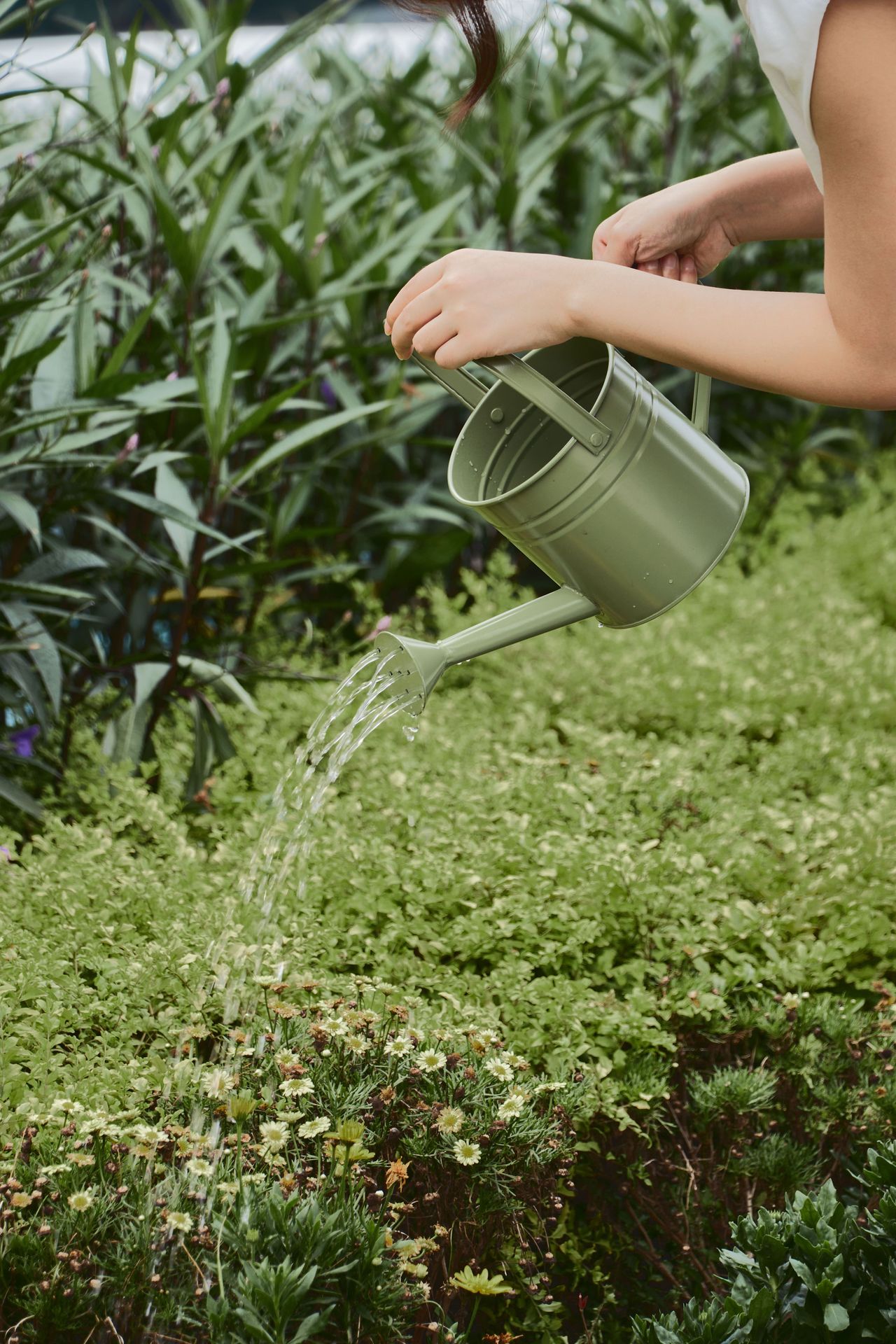
Water pouring from a watering can rose over white daisies in a garden bed
Category 04

Flower beds, borders & watering

Beds and borders are where a garden shows its personality. Keeping them weeded, deadheaded and watered lets your plants take centre stage instead of competing for space.

During warmer spells, watering rounds focus on recently planted areas, containers and thirsty bedding, with water directed to the roots rather than the leaves.

What this can include

  • Hand weeding of beds and borders
  • Deadheading spent flowers
  • Watering of beds and containers
  • Light plant support and staking
  • Tidying edges and soil surfaces
  • Spotting pests or problems early

Good to know: If you have favourite plants, self-seeders you want to keep, or areas left wild for wildlife, just mention them by email and they will be left alone.

Gardener reaching up with hedge shears to shape the top of a tall leafy hedge
Category 05

Seasonal clean-ups & garden resets

Sometimes a garden needs more than a routine visit. A seasonal clean-up tackles overgrowth, fallen leaves and tired planting in one go, giving you a fresh starting point.

These visits suit gardens coming out of winter, preparing for autumn, or simply in need of attention after a busy spell.

What this can include

  • Cutting back overgrown areas
  • Leaf and debris clearing
  • Tidying tall hedges and screens
  • Resetting bed and lawn edges
  • Clearing paths and patios of growth
  • A plan for ongoing upkeep afterwards

Good to know: Green waste handling depends on your property and local arrangements. We will discuss what happens to clippings and debris before work begins.

Formal front garden with clipped hedge parterres, lawn panels and red roses before a brick house
Category 06

Formal & structured gardens

Formal gardens rely on precision: straight hedge lines, symmetrical beds, clean paths and defined lawn panels. Small lapses show quickly, so a regular rhythm of care matters.

We maintain the structure that gives these gardens their character — box-style edging, clipped balls and cones, rose beds and lawn panels — keeping each element in proportion.

What this can include

  • Low edging hedges and parterres
  • Clipped shapes and topiary
  • Lawn panels and path edges
  • Rose and feature beds
  • Keeping symmetry consistent
  • Detail work around lighting and steps

Good to know: Formal gardens often benefit from more frequent, lighter visits rather than occasional heavy cuts, which helps keep shapes crisp.

How it works

From first email to regular garden care

  1. Describe your garden

    Email us with a short description — size, main features, and what you would like help with. Photos are welcome.

  2. Agree the scope

    We talk through which tasks matter most and how often visits might be useful for your garden.

  3. Set a rhythm

    Visits are arranged on a pattern that suits the season, from regular upkeep to one-off clean-ups.

  4. Adjust as it grows

    As the year changes, priorities shift. You can update plans by email whenever you need to.

In motion

Outdoor lawns and indoor-adjacent planting

Garden maintenance spans open lawns and pathways as well as the containers and potted plants close to the house.

Open lawn, stepping stones and raised beds — the everyday layout of many family gardens.
Leaf care for potted plants.
Useful information

Planning your garden maintenance

Frequency

How often?

Lawns in the growing season often suit weekly or fortnightly visits; hedges and pruning are usually less frequent.

Access

Getting in

Let us know about gates, side access, pets and parking so visits run smoothly.

Priorities

What matters most

Tell us which areas you see and use most, and we can focus effort there first.

Wildlife

Leaving space

Wild corners, log piles and nesting areas can be left undisturbed on request.

Questions

Common garden maintenance questions

Do I need to be home during a visit?

Not necessarily. As long as access to the garden is arranged in advance, many visits can take place while you are out.

Can I choose only some of the services?

Yes. You can ask for lawn care alone, hedge trimming alone, or any combination of the categories on this page.

Do you offer one-off visits?

Seasonal clean-ups and garden resets can be arranged as single visits. Email us to describe what your garden needs.

How do I explain what my garden needs?

A short description and a few photos sent by email are usually the easiest way to start the conversation.

What about tall trees?

Routine garden maintenance covers work that can be done safely from ground level or a stepladder. Large tree work needs a specialist arborist.

Plan your garden care

Tell us about your garden and the care it needs.

Send a short email describing your outdoor space, what you would like looked after and how often. We will reply to talk through the details.

Address
67 Lovett Ln NE, Arlington, Georgia, 39813